What happens when a woman gives everything to the man she loves, only to discover that the home she hoped would bring her happiness has become the place where she and her children suffer the most? For Badi’a, marriage is a test of patience, motherhood is a battle for survival, and love is the painful reason she continues to endure what others might have walked away from long ago. Yet, even as her husband tries to break her spirit, she holds on to one precious belief: her children will one day become her greatest source of pride.
Y'AY'ANA (Abin Alfahari Na) is a deeply emotional Hausa family drama that explores the devastating consequences of cruelty within marriage, the unequal treatment of children, and the extraordinary sacrifices a mother makes to protect her family. Behind the doors of a wealthy household lies a reality that money cannot conceal. A woman is fighting to feed her children, a father is refusing to accept his responsibilities, and innocent young lives are being caught in the middle of a conflict they did nothing to create. But how long can a mother endure such suffering before life demands a different kind of courage from her?
Summary
Badi’a enters marriage with Abdulmajid, a wealthy and educated man, believing that the love they share will be enough to build a happy future together. Their early relationship gives her reasons to hope, and when she becomes pregnant, their excitement seems to promise a beautiful beginning to their family life. However, the arrival of their first child exposes a troubling side of her husband that she could never have anticipated. Rather than welcoming parenthood with the joy and responsibility it deserves, Abdulmajid begins to treat his growing family as a burden. The comfort and security Badi’a expected from marriage gradually give way to humiliation, deprivation, and emotional distress.
The situation becomes even more painful as Badi’a gives birth to more children. Instead of taking pride in his expanding family, Abdulmajid openly resents the children born to his wife and makes it clear that he does not intend to provide adequately for them. His attitude is made worse by the influence of his mother, Hajiya Rabi, whose disrespectful treatment of Badi’a adds another layer of suffering to an already troubled marriage. While the household may appear prosperous to outsiders, Badi’a and her children experience a different reality behind closed doors. She struggles to provide food, buy necessities, and ensure that her children receive an education, all while attempting to preserve the dignity of a family whose father refuses to acknowledge his own responsibilities.
At the centre of this heartbreaking struggle is Badi’a's determination to protect her children from the consequences of their father's cruelty. She tries to stretch every available resource, sometimes sacrificing her own needs so that the children can eat. When food becomes scarce, she faces the unbearable task of dividing what little she has among them, even as Abdulmajid insists that his own son should receive preferential treatment. Her children begin to suffer the effects of poverty and neglect, and their mother's helplessness becomes increasingly difficult to bear. The situation reaches a frightening point when her youngest child, Jabir, becomes seriously ill. With the child's condition worsening, Badi’a is forced to confront the terrifying reality that her husband's indifference may place their son's life at risk.
Despite everything, Badi’a continues to endure the marriage because she still loves Abdulmajid and hopes that circumstances might eventually change. Her family has already expressed concerns about the relationship, but her feelings make it difficult for her to consider leaving. Her elder sister, Asma’u, becomes one of her most important sources of comfort, offering emotional support and practical assistance when Badi’a's husband fails to provide even the most basic necessities. Asma’u's husband, Mahmoud, also steps in to help with food, money, and the children's schooling. Their kindness reveals a painful contrast between the people who genuinely care for Badi’a and the man who should be her strongest source of support.
As Badi’a discovers that she is pregnant again, her suffering takes on a new dimension. She is physically exhausted, emotionally overwhelmed, and already struggling to care for the children she has. Yet Abdulmajid's hostility toward another pregnancy does not translate into a willingness to take responsibility for preventing it or supporting his wife. Instead, he continues to blame her for circumstances they should be facing together. When Jabir's illness becomes severe enough to require hospital treatment, Abdulmajid's refusal to accept financial responsibility exposes the full extent of his neglect. Badi’a is left fighting for her child's well-being while enduring public humiliation from the very person who should be standing beside her. Her story raises an urgent question: how much suffering can a mother bear while holding on to a marriage that continues to wound her and her children?
Description: Genre and Setting
Y'AY'ANA (Abin Alfahari Na) is a realistic Hausa family drama with strong elements of marital conflict, domestic suffering, motherhood, social commentary, and emotional suspense. Written by SophieG, the story focuses on the experiences of a woman whose hopes for a loving marriage are gradually overshadowed by neglect, cruelty, and the struggle to raise her children under difficult circumstances.
The story unfolds primarily within a Nigerian Hausa family setting, moving between the home Badi’a shares with Abdulmajid, the homes of her relatives, and the hospital where her children's health becomes a matter of urgent concern. These everyday environments make the story particularly powerful because its conflicts arise from familiar family relationships and ordinary domestic responsibilities. The household, which should represent safety and belonging, becomes a place of tension where even food, education, and medical care can turn into sources of conflict.
The narrative also examines the influence of extended family relationships on marriage. Abdulmajid's mother, Hajiya Rabi, contributes to Badi’a's distress, while Asma’u and Mahmoud demonstrate how relatives can provide the compassion and support that a struggling family desperately needs. Through these contrasting relationships, the novel explores the difference between family ties that strengthen people and those that deepen their suffering.
Core Themes
Motherhood and Sacrifice
Motherhood is the emotional foundation of Badi’a's story. Her children give her a reason to continue fighting even when her circumstances seem unbearable. She worries about their hunger, education, health, and future, often placing their needs above her own. Her determination reflects the sacrifices many mothers make to give their children opportunities that their present circumstances deny them. However, the story also invites readers to consider the emotional and physical cost of carrying such responsibilities without adequate support.
Cruelty and Neglect Within Marriage
The novel presents marriage as a relationship that requires compassion, cooperation, and shared responsibility. Abdulmajid's behaviour illustrates what happens when these foundations are replaced by selfishness and contempt. His refusal to provide consistently for his children, his harsh treatment of Badi’a, and his unwillingness to acknowledge the consequences of his actions transform their home into a place of uncertainty. The story challenges the idea that financial wealth automatically makes someone a good husband or father.
The Unequal Treatment of Children
One of the most painful aspects of the narrative is Abdulmajid's insistence on separating his son, Abdurrahim, from Badi’a's other children. He expects his own child to receive better treatment while the others struggle for basic necessities. This discrimination creates emotional wounds that extend beyond the parents' relationship. Through these scenes, the story emphasizes that children should never become victims of adult resentment, family divisions, or the desire to exercise control over a spouse.
Patience, Endurance, and Personal Dignity
Badi’a's patience is central to her character, but her suffering also reveals the complicated nature of endurance. She remains committed to her marriage because she loves her husband and hopes for a better future. At the same time, her experiences raise difficult questions about the limits of patience and the difference between preserving a relationship and accepting continuous mistreatment. The narrative encourages readers to reflect on the importance of dignity, personal well-being, and the responsibility to protect vulnerable family members.
Family Support and Compassion
Asma’u and Mahmoud represent an alternative to the neglect Badi’a experiences at home. Their willingness to help demonstrates that genuine family support is expressed through action rather than words alone. Whether they provide food, financial assistance, or encouragement, their intervention gives Badi’a and her children some relief from their difficult circumstances. Their kindness also reinforces the importance of noticing when someone is suffering silently instead of assuming that a troubled household has everything under control.
The Consequences of Selfishness
Abdulmajid's wealth and education do not prevent him from making decisions that harm the people closest to him. His behaviour demonstrates how selfishness can destroy trust, undermine family stability, and leave innocent children vulnerable. The contrast between his material comfort and his family's hardship is especially significant. The story suggests that prosperity means little when it is not accompanied by responsibility, empathy, and a willingness to care for others.
Key Characters
Badi’a: The Mother Who Refuses to Give Up
Badi’a is the emotional heart of the novel. A loving wife and devoted mother, she continues to hope for a better marriage even as Abdulmajid repeatedly disappoints her. She is not portrayed as someone without feelings or fears. She cries, worries, becomes exhausted, and struggles to understand how the man she loves can treat their children so harshly. Yet her concern for her children repeatedly pushes her to keep going. Her greatest ambition is to improve their lives and give them a future that is not defined by the suffering they experience in their father's home.
Abdulmajid: A Husband and Father Divided by Selfishness
Abdulmajid is a wealthy, educated man whose treatment of his family exposes a profound failure of responsibility. Rather than embracing his role as a husband and father, he resents the cost of raising his children and uses his financial power to control Badi’a. His preferential treatment of Abdurrahim further intensifies the divisions within the household. His character drives much of the novel's conflict and forces readers to confront the difference between outward success and genuine moral character.
Asma’u: The Sister Who Sees the Pain
Asma’u is Badi’a's elder sister and one of the few people who understands the extent of her suffering. She offers advice, emotional reassurance, and practical support, encouraging Badi’a to remain mindful of her children's future. Although she cannot immediately resolve her sister's marital problems, her presence reminds Badi’a that she is not entirely alone. Her role highlights the importance of having someone who listens when a person is too overwhelmed or ashamed to speak openly about what is happening at home.
Mahmoud: Support When It Matters Most
Mahmoud, Asma’u's husband, demonstrates compassion through his willingness to assist Badi’a and her children. His support includes providing food and money and offering help with their education. His actions contrast sharply with Abdulmajid's refusal to meet his responsibilities. Through Mahmoud, the novel presents a different model of masculinity, one based on empathy, generosity, and practical concern for the well-being of others.
Hajiya Rabi: The Mother-in-Law Who Deepens the Conflict
Hajiya Rabi, Abdulmajid's mother, is another major source of Badi’a's distress. Her visits often bring accusations, demands, and humiliating remarks rather than comfort or reconciliation. Her insistence on being treated according to her expectations, even when Badi’a is already struggling, intensifies the tension within the marriage. Her character illustrates how interference and hostility from extended family members can make an already difficult relationship even more painful.
The Children: Innocence Caught in Adult Conflict
Badi’a's children, including Abdurrahim, Abduljabbar, Abdulkadir, Abdul'aziz, and Jabir, are central to the emotional weight of the story. They depend on their parents for food, healthcare, education, and protection, yet they are exposed to divisions they cannot understand or control. Jabir's worsening illness makes the consequences of neglect particularly urgent, while the unequal treatment of the children reveals how deeply parental conflict can affect a family's youngest members.
Analytics and Insight
The Central Conflict
The main conflict in Y'AY'ANA (Abin Alfahari Na) is the struggle between Badi’a's commitment to her family and Abdulmajid's refusal to fulfil his responsibilities. Their marriage becomes a battleground over money, children, respect, and control. Badi’a seeks stability and a better future for her children, while Abdulmajid's actions repeatedly undermine the security she is trying to create. The conflict becomes more intense as the children's needs grow and their mother's ability to meet those needs without support diminishes.
Emotional Depth and Reader Engagement
The story draws its emotional strength from domestic situations that readers can easily recognize: a mother worrying about what her children will eat, a sick child needing urgent medical attention, a parent refusing to pay for treatment, and relatives stepping in where a spouse has failed. These moments make the suffering personal rather than abstract. Instead of relying solely on dramatic confrontations, the narrative builds tension through the repeated denial of basic necessities and the emotional consequences of living without dependable support.
Character and Relationship Dynamics
Badi’a and Abdulmajid's relationship is particularly significant because her love for him persists despite his behaviour. This creates an emotional contradiction that drives the story. She knows that her circumstances are damaging, yet her attachment to him makes the possibility of leaving difficult to accept. Asma’u and Mahmoud provide a contrasting example of care and responsibility, while Hajiya Rabi's involvement shows how family loyalties can either protect a vulnerable person or deepen an existing crisis.
Social Relevance
The novel addresses issues that extend beyond the experiences of its fictional characters. These include financial neglect within marriage, the unequal treatment of children, pressure from in-laws, reproductive disagreements, barriers to education, and the difficulties faced by women who depend on an unsupportive spouse. By presenting these concerns through Badi’a's daily struggles, the story encourages readers to examine the responsibilities that come with marriage and parenthood. It also highlights the importance of seeking support when a family situation becomes harmful, particularly when children's health and welfare are at stake.
Symbolism of the Title
The title Y'AY'ANA (Abin Alfahari Na), meaning My Children, My Pride, expresses Badi’a's deepest emotional attachment and her determination to see her children succeed. Her present circumstances are filled with humiliation, hardship, and uncertainty, but her children represent the future she continues to hope for. The title therefore carries both tenderness and defiance. It suggests that the people who are treated as burdens by their father may one day become the very source of pride and fulfilment their mother has struggled to nurture.
What Readers Can Expect
Readers can expect a deeply emotional family story filled with painful domestic confrontations, difficult choices, maternal devotion, and moments that challenge the meaning of patience. The novel's appeal lies in its portrayal of a woman trying to preserve her children's future while navigating a marriage that offers her little security. Its central questions remain compelling: Can love survive when respect disappears? How much should a mother endure for the sake of her family? And can children who grow up surrounded by hardship eventually become the pride their mother has always believed they could be?
A Memorable Quote
“One day, my children, I will be proud of you. I will keep striving to improve your lives, because your father has no intention of helping me raise you.”
This original English rendering is inspired by Badi’a's words in the supplied excerpt, rather than presented as a verbatim quotation from the Hausa text.
Final Thoughts
Y'AY'ANA (Abin Alfahari Na) is more than a story about an unhappy marriage. It is a portrait of a mother whose love for her children remains alive even when her own happiness is repeatedly denied. Through Badi’a's experiences, SophieG explores the painful consequences of neglect, the damage caused by favouritism, and the quiet strength required to keep a family going when the person who should provide support becomes a source of suffering.
For readers who appreciate Hausa novels centred on family relationships, emotional struggles, motherhood, and meaningful social lessons, this story offers a compelling and thought-provoking reading experience. Badi’a's journey invites readers to feel her pain, question the choices that shape her household, and hope that her children will one day rise above the circumstances into which they were born.
Her greatest dream is not simply to survive her marriage. It is to see her children grow into people she can proudly call her own, and to discover whether the sacrifices she makes today will lead to the future she has spent so long imagining.






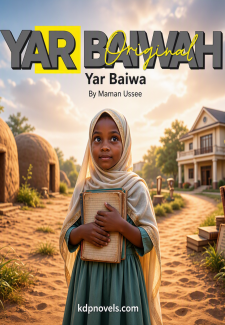








Y’AY’ANA
by SophieG
The Opening
What happens when a woman gives everything to the man she loves, only to discover that the home she hoped would bring her happiness has become the place where she and her children suffer the most? For Badi’a, marriage is a test of patience, motherhood is a battle for survival, and love is the painful reason she continues to endure what others might have walked away from long ago. Yet, even as her husband tries to break her spirit, she holds on to one precious belief: her children will one day become her greatest source of pride.
Y'AY'ANA (Abin Alfahari Na) is a deeply emotional Hausa family drama that explores the devastating consequences of cruelty within marriage, the unequal treatment of children, and the extraordinary sacrifices a mother makes to protect her family. Behind the doors of a wealthy household lies a reality that money cannot conceal. A woman is fighting to feed her children, a father is refusing to accept his responsibilities, and innocent young lives are being caught in the middle of a conflict they did nothing to create. But how long can a mother endure such suffering before life demands a different kind of courage from her?
Summary
Badi’a enters marriage with Abdulmajid, a wealthy and educated man, believing that the love they share will be enough to build a happy future together. Their early relationship gives her reasons to hope, and when she becomes pregnant, their excitement seems to promise a beautiful beginning to their family life. However, the arrival of their first child exposes a troubling side of her husband that she could never have anticipated. Rather than welcoming parenthood with the joy and responsibility it deserves, Abdulmajid begins to treat his growing family as a burden. The comfort and security Badi’a expected from marriage gradually give way to humiliation, deprivation, and emotional distress.
The situation becomes even more painful as Badi’a gives birth to more children. Instead of taking pride in his expanding family, Abdulmajid openly resents the children born to his wife and makes it clear that he does not intend to provide adequately for them. His attitude is made worse by the influence of his mother, Hajiya Rabi, whose disrespectful treatment of Badi’a adds another layer of suffering to an already troubled marriage. While the household may appear prosperous to outsiders, Badi’a and her children experience a different reality behind closed doors. She struggles to provide food, buy necessities, and ensure that her children receive an education, all while attempting to preserve the dignity of a family whose father refuses to acknowledge his own responsibilities.
At the centre of this heartbreaking struggle is Badi’a's determination to protect her children from the consequences of their father's cruelty. She tries to stretch every available resource, sometimes sacrificing her own needs so that the children can eat. When food becomes scarce, she faces the unbearable task of dividing what little she has among them, even as Abdulmajid insists that his own son should receive preferential treatment. Her children begin to suffer the effects of poverty and neglect, and their mother's helplessness becomes increasingly difficult to bear. The situation reaches a frightening point when her youngest child, Jabir, becomes seriously ill. With the child's condition worsening, Badi’a is forced to confront the terrifying reality that her husband's indifference may place their son's life at risk.
Despite everything, Badi’a continues to endure the marriage because she still loves Abdulmajid and hopes that circumstances might eventually change. Her family has already expressed concerns about the relationship, but her feelings make it difficult for her to consider leaving. Her elder sister, Asma’u, becomes one of her most important sources of comfort, offering emotional support and practical assistance when Badi’a's husband fails to provide even the most basic necessities. Asma’u's husband, Mahmoud, also steps in to help with food, money, and the children's schooling. Their kindness reveals a painful contrast between the people who genuinely care for Badi’a and the man who should be her strongest source of support.
As Badi’a discovers that she is pregnant again, her suffering takes on a new dimension. She is physically exhausted, emotionally overwhelmed, and already struggling to care for the children she has. Yet Abdulmajid's hostility toward another pregnancy does not translate into a willingness to take responsibility for preventing it or supporting his wife. Instead, he continues to blame her for circumstances they should be facing together. When Jabir's illness becomes severe enough to require hospital treatment, Abdulmajid's refusal to accept financial responsibility exposes the full extent of his neglect. Badi’a is left fighting for her child's well-being while enduring public humiliation from the very person who should be standing beside her. Her story raises an urgent question: how much suffering can a mother bear while holding on to a marriage that continues to wound her and her children?
Description: Genre and Setting
Y'AY'ANA (Abin Alfahari Na) is a realistic Hausa family drama with strong elements of marital conflict, domestic suffering, motherhood, social commentary, and emotional suspense. Written by SophieG, the story focuses on the experiences of a woman whose hopes for a loving marriage are gradually overshadowed by neglect, cruelty, and the struggle to raise her children under difficult circumstances.
The story unfolds primarily within a Nigerian Hausa family setting, moving between the home Badi’a shares with Abdulmajid, the homes of her relatives, and the hospital where her children's health becomes a matter of urgent concern. These everyday environments make the story particularly powerful because its conflicts arise from familiar family relationships and ordinary domestic responsibilities. The household, which should represent safety and belonging, becomes a place of tension where even food, education, and medical care can turn into sources of conflict.
The narrative also examines the influence of extended family relationships on marriage. Abdulmajid's mother, Hajiya Rabi, contributes to Badi’a's distress, while Asma’u and Mahmoud demonstrate how relatives can provide the compassion and support that a struggling family desperately needs. Through these contrasting relationships, the novel explores the difference between family ties that strengthen people and those that deepen their suffering.
Core Themes
Motherhood and Sacrifice
Motherhood is the emotional foundation of Badi’a's story. Her children give her a reason to continue fighting even when her circumstances seem unbearable. She worries about their hunger, education, health, and future, often placing their needs above her own. Her determination reflects the sacrifices many mothers make to give their children opportunities that their present circumstances deny them. However, the story also invites readers to consider the emotional and physical cost of carrying such responsibilities without adequate support.
Cruelty and Neglect Within Marriage
The novel presents marriage as a relationship that requires compassion, cooperation, and shared responsibility. Abdulmajid's behaviour illustrates what happens when these foundations are replaced by selfishness and contempt. His refusal to provide consistently for his children, his harsh treatment of Badi’a, and his unwillingness to acknowledge the consequences of his actions transform their home into a place of uncertainty. The story challenges the idea that financial wealth automatically makes someone a good husband or father.
The Unequal Treatment of Children
One of the most painful aspects of the narrative is Abdulmajid's insistence on separating his son, Abdurrahim, from Badi’a's other children. He expects his own child to receive better treatment while the others struggle for basic necessities. This discrimination creates emotional wounds that extend beyond the parents' relationship. Through these scenes, the story emphasizes that children should never become victims of adult resentment, family divisions, or the desire to exercise control over a spouse.
Patience, Endurance, and Personal Dignity
Badi’a's patience is central to her character, but her suffering also reveals the complicated nature of endurance. She remains committed to her marriage because she loves her husband and hopes for a better future. At the same time, her experiences raise difficult questions about the limits of patience and the difference between preserving a relationship and accepting continuous mistreatment. The narrative encourages readers to reflect on the importance of dignity, personal well-being, and the responsibility to protect vulnerable family members.
Family Support and Compassion
Asma’u and Mahmoud represent an alternative to the neglect Badi’a experiences at home. Their willingness to help demonstrates that genuine family support is expressed through action rather than words alone. Whether they provide food, financial assistance, or encouragement, their intervention gives Badi’a and her children some relief from their difficult circumstances. Their kindness also reinforces the importance of noticing when someone is suffering silently instead of assuming that a troubled household has everything under control.
The Consequences of Selfishness
Abdulmajid's wealth and education do not prevent him from making decisions that harm the people closest to him. His behaviour demonstrates how selfishness can destroy trust, undermine family stability, and leave innocent children vulnerable. The contrast between his material comfort and his family's hardship is especially significant. The story suggests that prosperity means little when it is not accompanied by responsibility, empathy, and a willingness to care for others.
Key Characters
Badi’a: The Mother Who Refuses to Give Up
Badi’a is the emotional heart of the novel. A loving wife and devoted mother, she continues to hope for a better marriage even as Abdulmajid repeatedly disappoints her. She is not portrayed as someone without feelings or fears. She cries, worries, becomes exhausted, and struggles to understand how the man she loves can treat their children so harshly. Yet her concern for her children repeatedly pushes her to keep going. Her greatest ambition is to improve their lives and give them a future that is not defined by the suffering they experience in their father's home.
Abdulmajid: A Husband and Father Divided by Selfishness
Abdulmajid is a wealthy, educated man whose treatment of his family exposes a profound failure of responsibility. Rather than embracing his role as a husband and father, he resents the cost of raising his children and uses his financial power to control Badi’a. His preferential treatment of Abdurrahim further intensifies the divisions within the household. His character drives much of the novel's conflict and forces readers to confront the difference between outward success and genuine moral character.
Asma’u: The Sister Who Sees the Pain
Asma’u is Badi’a's elder sister and one of the few people who understands the extent of her suffering. She offers advice, emotional reassurance, and practical support, encouraging Badi’a to remain mindful of her children's future. Although she cannot immediately resolve her sister's marital problems, her presence reminds Badi’a that she is not entirely alone. Her role highlights the importance of having someone who listens when a person is too overwhelmed or ashamed to speak openly about what is happening at home.
Mahmoud: Support When It Matters Most
Mahmoud, Asma’u's husband, demonstrates compassion through his willingness to assist Badi’a and her children. His support includes providing food and money and offering help with their education. His actions contrast sharply with Abdulmajid's refusal to meet his responsibilities. Through Mahmoud, the novel presents a different model of masculinity, one based on empathy, generosity, and practical concern for the well-being of others.
Hajiya Rabi: The Mother-in-Law Who Deepens the Conflict
Hajiya Rabi, Abdulmajid's mother, is another major source of Badi’a's distress. Her visits often bring accusations, demands, and humiliating remarks rather than comfort or reconciliation. Her insistence on being treated according to her expectations, even when Badi’a is already struggling, intensifies the tension within the marriage. Her character illustrates how interference and hostility from extended family members can make an already difficult relationship even more painful.
The Children: Innocence Caught in Adult Conflict
Badi’a's children, including Abdurrahim, Abduljabbar, Abdulkadir, Abdul'aziz, and Jabir, are central to the emotional weight of the story. They depend on their parents for food, healthcare, education, and protection, yet they are exposed to divisions they cannot understand or control. Jabir's worsening illness makes the consequences of neglect particularly urgent, while the unequal treatment of the children reveals how deeply parental conflict can affect a family's youngest members.
Analytics and Insight
The Central Conflict
The main conflict in Y'AY'ANA (Abin Alfahari Na) is the struggle between Badi’a's commitment to her family and Abdulmajid's refusal to fulfil his responsibilities. Their marriage becomes a battleground over money, children, respect, and control. Badi’a seeks stability and a better future for her children, while Abdulmajid's actions repeatedly undermine the security she is trying to create. The conflict becomes more intense as the children's needs grow and their mother's ability to meet those needs without support diminishes.
Emotional Depth and Reader Engagement
The story draws its emotional strength from domestic situations that readers can easily recognize: a mother worrying about what her children will eat, a sick child needing urgent medical attention, a parent refusing to pay for treatment, and relatives stepping in where a spouse has failed. These moments make the suffering personal rather than abstract. Instead of relying solely on dramatic confrontations, the narrative builds tension through the repeated denial of basic necessities and the emotional consequences of living without dependable support.
Character and Relationship Dynamics
Badi’a and Abdulmajid's relationship is particularly significant because her love for him persists despite his behaviour. This creates an emotional contradiction that drives the story. She knows that her circumstances are damaging, yet her attachment to him makes the possibility of leaving difficult to accept. Asma’u and Mahmoud provide a contrasting example of care and responsibility, while Hajiya Rabi's involvement shows how family loyalties can either protect a vulnerable person or deepen an existing crisis.
Social Relevance
The novel addresses issues that extend beyond the experiences of its fictional characters. These include financial neglect within marriage, the unequal treatment of children, pressure from in-laws, reproductive disagreements, barriers to education, and the difficulties faced by women who depend on an unsupportive spouse. By presenting these concerns through Badi’a's daily struggles, the story encourages readers to examine the responsibilities that come with marriage and parenthood. It also highlights the importance of seeking support when a family situation becomes harmful, particularly when children's health and welfare are at stake.
Symbolism of the Title
The title Y'AY'ANA (Abin Alfahari Na), meaning My Children, My Pride, expresses Badi’a's deepest emotional attachment and her determination to see her children succeed. Her present circumstances are filled with humiliation, hardship, and uncertainty, but her children represent the future she continues to hope for. The title therefore carries both tenderness and defiance. It suggests that the people who are treated as burdens by their father may one day become the very source of pride and fulfilment their mother has struggled to nurture.
What Readers Can Expect
Readers can expect a deeply emotional family story filled with painful domestic confrontations, difficult choices, maternal devotion, and moments that challenge the meaning of patience. The novel's appeal lies in its portrayal of a woman trying to preserve her children's future while navigating a marriage that offers her little security. Its central questions remain compelling: Can love survive when respect disappears? How much should a mother endure for the sake of her family? And can children who grow up surrounded by hardship eventually become the pride their mother has always believed they could be?
A Memorable Quote
“One day, my children, I will be proud of you. I will keep striving to improve your lives, because your father has no intention of helping me raise you.”
This original English rendering is inspired by Badi’a's words in the supplied excerpt, rather than presented as a verbatim quotation from the Hausa text.
Final Thoughts
Y'AY'ANA (Abin Alfahari Na) is more than a story about an unhappy marriage. It is a portrait of a mother whose love for her children remains alive even when her own happiness is repeatedly denied. Through Badi’a's experiences, SophieG explores the painful consequences of neglect, the damage caused by favouritism, and the quiet strength required to keep a family going when the person who should provide support becomes a source of suffering.
For readers who appreciate Hausa novels centred on family relationships, emotional struggles, motherhood, and meaningful social lessons, this story offers a compelling and thought-provoking reading experience. Badi’a's journey invites readers to feel her pain, question the choices that shape her household, and hope that her children will one day rise above the circumstances into which they were born.
Her greatest dream is not simply to survive her marriage. It is to see her children grow into people she can proudly call her own, and to discover whether the sacrifices she makes today will lead to the future she has spent so long imagining.