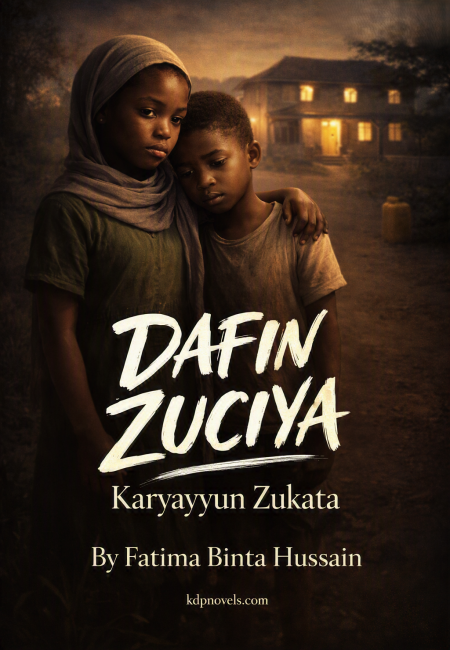
What happens when innocent children become victims of a family conflict they never created? Amira and her younger brother Amir once knew the warmth of a loving home, but everything changes after their father takes another wife. Suddenly, food becomes a luxury, school becomes a struggle, and the home they once called theirs becomes a place of fear and rejection. While two young hearts fight to survive, another battle is unfolding far away, where General Eshan is determined to confront the violence consuming the country. But behind the different lives of these characters lies a deeper story of family, suffering, faith, secrets, and consequences.
Summary
Amira and Amir are children whose lives are turned upside down after their father, Muhammad Usman, marries another woman without properly preparing his first family for the consequences. Their mother, Aisha, once lived peacefully with her husband and children, believing that their family would remain united. She had endured years of waiting for children and eventually built a home filled with love and hope. However, the arrival of the new wife changes everything.
The children are gradually pushed into poverty and neglect. Instead of enjoying the protection and care they should receive from their parents, Amira and Amir are forced to work, search for food, and endure harsh treatment. Their mother is separated from them, leaving the children under the care of a woman who shows little compassion. Amir's young age does not prevent him from understanding their suffering, and his attempts to find food for himself and his sister reveal how quickly childhood can disappear when survival becomes the priority.
Despite their circumstances, Amira refuses to surrender completely to despair. She continues going to school and tries to maintain her faith while struggling with hunger, physical abuse, and uncertainty. Her relationship with Amir becomes one of the emotional centers of the story. They depend on each other when the adults around them fail to provide the protection they need. Their situation raises a painful question about how far children can endure before their hearts finally break.
Meanwhile, General Eshan lives a completely different life. As a military figure concerned about the growing violence and insecurity in the country, he is determined to find a way to confront the forces responsible for the destruction. His personal life, however, contains its own complications. Family expectations, marriage, and unwanted affection create another layer of tension around him, particularly when someone close to his family wants a future with him that he does not desire.
As the story progresses, the struggles of Amira and Amir, the pain within their family, and the larger battle against insecurity begin to create a powerful atmosphere of uncertainty. Dark spiritual practices and secret dealings further deepen the mystery surrounding the events. With suffering on one side and danger on the other, the characters are forced toward choices that could determine what happens next. The question is no longer simply whether they will survive their circumstances, but whether justice, faith, and hope can eventually overcome the darkness surrounding them.
Genre
Dafin Zuciya is a dramatic Hausa family novel combining family drama, emotional fiction, suspense, social commentary, Islamic themes, psychological conflict, and elements of mystery and spiritual intrigue. The story moves between intimate family suffering and wider social problems, giving it both personal and societal dimensions.
Settings
The story moves through different environments, including family homes in northern Nigeria, schools, streets, Abuja, Katsina State, Funtua, Zamfara, and other locations connected to the characters' lives. The contrast between comfortable surroundings and places where vulnerable children struggle to survive strengthens the emotional impact of the narrative.
Core Themes
At its heart, the novel explores family responsibility, child neglect, poverty, betrayal, faith, perseverance, injustice, parental decisions, domestic suffering, and the consequences of cruelty. It also touches on insecurity and the fear created by violence in society. Above all, the story examines how people respond when the people who should protect them become the source of their greatest pain.
Key Characters
Amira is a young girl whose difficult circumstances force her to become emotionally stronger than her age should require. Her courage, faith, and determination make her one of the story's central emotional figures.
Amir is Amira's younger brother. Despite his vulnerability, he displays remarkable concern for his sister and struggles alongside her when they are denied basic necessities.
Aisha is their mother, a woman whose peaceful family life is shattered after her husband's second marriage. Her story reflects the pain of separation, helplessness, and a mother's concern for her children.
Muhammad Usman is Amira and Amir's father. His decisions become a major turning point in the family's life, creating consequences that affect everyone around him.
General Eshan represents another side of the story. He is deeply concerned about the violence threatening the country and is determined to play a role in bringing the situation under control, while simultaneously facing challenges in his personal life.
Analytics and Insight
The strongest element of Dafin Zuciya is its emotional contrast. The novel places innocent children in circumstances they cannot control while showing adults making decisions that have life-changing consequences. Amira and Amir's struggle creates immediate emotional investment, while General Eshan's storyline broadens the narrative beyond one family.
The novel is particularly likely to appeal to readers who enjoy stories involving family conflict, emotional hardship, resilient characters, suspense, social issues, Islamic values, and hidden dangers. Its central question is compelling: when a person's life is buried beneath suffering, can hope eventually uncover what pain tried to hide?
A Thought From the Story
“After every hardship comes relief, but sometimes the heart must endure the darkness before it discovers where the light is.”
Dafin Zuciya is ultimately a story about wounds that are not always visible, children who are forced to grow too soon, families tested by difficult choices, and people searching for justice while surrounded by uncertainty. Its suspense lies not only in what happens next, but in discovering whether the characters will allow their suffering to define them or whether they will find the strength to rise beyond it.







![<? $row['name']; ?>](https://kdpnovels.com/Public/thumb/225x325/ebook/2026/04/kdp-velvet-76-rayuwa-da-gi-i-0187303be8.webp)
![<? $row['name']; ?>](https://kdpnovels.com/Public/thumb/225x325/ebook/2026/04/kdp-velvet-78-karuwan-cikin-gida-book-2-4162a6ec19.webp)
![<? $row['name']; ?>](https://kdpnovels.com/Public/thumb/225x325/ebook/2026/04/kdp-velvet-79-ar-goggo-b3f15a0ce3.webp)
![<? $row['name']; ?>](https://kdpnovels.com/Public/thumb/225x325/ebook/2026/04/kdp-velvet-82-rayuwar-mace-e1d7de2487.webp)
![<? $row['name']; ?>](https://kdpnovels.com/Public/thumb/225x325/ebook/2026/04/kdp-velvet-83-rana-daya-book-1-beba7251c1.webp)
![<? $row['name']; ?>](https://kdpnovels.com/Public/thumb/225x325/ebook/2026/04/kdp-velvet-91-kida-a-ruwa-3-472106cedd.webp)
![<? $row['name']; ?>](https://kdpnovels.com/Public/thumb/225x325/ebook/2026/04/kdp-velvet-93-rainon-soja-book-1-286bef18e2.webp)
![<? $row['name']; ?>](https://kdpnovels.com/Public/thumb/225x325/ebook/2026/04/kdp-velvet-95-abunda-ke-boye-4c21700ec8.webp)
![<? $row['name']; ?>](https://kdpnovels.com/Public/thumb/225x325/ebook/2026/04/kdp-velvet-96-ranar-naka-complt-1a5ed3d476.webp)
![<? $row['name']; ?>](https://kdpnovels.com/Public/thumb/225x325/ebook/2026/04/kdp-velvet-98-babu-so-619172ab35.webp)
![<? $row['name']; ?>](https://kdpnovels.com/Public/thumb/225x325/ebook/2026/04/kdp-velvet-99-rayuwa-da-gi-i-076b92a60b.webp)
DAFIN ZUCIYA
By Fatima Binta Hussain
The Opening
What happens when innocent children become victims of a family conflict they never created? Amira and her younger brother Amir once knew the warmth of a loving home, but everything changes after their father takes another wife. Suddenly, food becomes a luxury, school becomes a struggle, and the home they once called theirs becomes a place of fear and rejection. While two young hearts fight to survive, another battle is unfolding far away, where General Eshan is determined to confront the violence consuming the country. But behind the different lives of these characters lies a deeper story of family, suffering, faith, secrets, and consequences.
Summary
Amira and Amir are children whose lives are turned upside down after their father, Muhammad Usman, marries another woman without properly preparing his first family for the consequences. Their mother, Aisha, once lived peacefully with her husband and children, believing that their family would remain united. She had endured years of waiting for children and eventually built a home filled with love and hope. However, the arrival of the new wife changes everything.
The children are gradually pushed into poverty and neglect. Instead of enjoying the protection and care they should receive from their parents, Amira and Amir are forced to work, search for food, and endure harsh treatment. Their mother is separated from them, leaving the children under the care of a woman who shows little compassion. Amir's young age does not prevent him from understanding their suffering, and his attempts to find food for himself and his sister reveal how quickly childhood can disappear when survival becomes the priority.
Despite their circumstances, Amira refuses to surrender completely to despair. She continues going to school and tries to maintain her faith while struggling with hunger, physical abuse, and uncertainty. Her relationship with Amir becomes one of the emotional centers of the story. They depend on each other when the adults around them fail to provide the protection they need. Their situation raises a painful question about how far children can endure before their hearts finally break.
Meanwhile, General Eshan lives a completely different life. As a military figure concerned about the growing violence and insecurity in the country, he is determined to find a way to confront the forces responsible for the destruction. His personal life, however, contains its own complications. Family expectations, marriage, and unwanted affection create another layer of tension around him, particularly when someone close to his family wants a future with him that he does not desire.
As the story progresses, the struggles of Amira and Amir, the pain within their family, and the larger battle against insecurity begin to create a powerful atmosphere of uncertainty. Dark spiritual practices and secret dealings further deepen the mystery surrounding the events. With suffering on one side and danger on the other, the characters are forced toward choices that could determine what happens next. The question is no longer simply whether they will survive their circumstances, but whether justice, faith, and hope can eventually overcome the darkness surrounding them.
Genre
Dafin Zuciya is a dramatic Hausa family novel combining family drama, emotional fiction, suspense, social commentary, Islamic themes, psychological conflict, and elements of mystery and spiritual intrigue. The story moves between intimate family suffering and wider social problems, giving it both personal and societal dimensions.
Settings
The story moves through different environments, including family homes in northern Nigeria, schools, streets, Abuja, Katsina State, Funtua, Zamfara, and other locations connected to the characters' lives. The contrast between comfortable surroundings and places where vulnerable children struggle to survive strengthens the emotional impact of the narrative.
Core Themes
At its heart, the novel explores family responsibility, child neglect, poverty, betrayal, faith, perseverance, injustice, parental decisions, domestic suffering, and the consequences of cruelty. It also touches on insecurity and the fear created by violence in society. Above all, the story examines how people respond when the people who should protect them become the source of their greatest pain.
Key Characters
Amira is a young girl whose difficult circumstances force her to become emotionally stronger than her age should require. Her courage, faith, and determination make her one of the story's central emotional figures.
Amir is Amira's younger brother. Despite his vulnerability, he displays remarkable concern for his sister and struggles alongside her when they are denied basic necessities.
Aisha is their mother, a woman whose peaceful family life is shattered after her husband's second marriage. Her story reflects the pain of separation, helplessness, and a mother's concern for her children.
Muhammad Usman is Amira and Amir's father. His decisions become a major turning point in the family's life, creating consequences that affect everyone around him.
General Eshan represents another side of the story. He is deeply concerned about the violence threatening the country and is determined to play a role in bringing the situation under control, while simultaneously facing challenges in his personal life.
Analytics and Insight
The strongest element of Dafin Zuciya is its emotional contrast. The novel places innocent children in circumstances they cannot control while showing adults making decisions that have life-changing consequences. Amira and Amir's struggle creates immediate emotional investment, while General Eshan's storyline broadens the narrative beyond one family.
The novel is particularly likely to appeal to readers who enjoy stories involving family conflict, emotional hardship, resilient characters, suspense, social issues, Islamic values, and hidden dangers. Its central question is compelling: when a person's life is buried beneath suffering, can hope eventually uncover what pain tried to hide?
A Thought From the Story
Dafin Zuciya is ultimately a story about wounds that are not always visible, children who are forced to grow too soon, families tested by difficult choices, and people searching for justice while surrounded by uncertainty. Its suspense lies not only in what happens next, but in discovering whether the characters will allow their suffering to define them or whether they will find the strength to rise beyond it.